Link Between Migraine And Tooth Pain

A headache refers to the pain in your head. This term is also used to denote a problematic situation, which is usually hard to deal with. In this article, we will discuss the actual headache, which can be quite painful. One of the types of headache is migraine, which can be severely painful at times. This pain is associated with a variety of symptoms, and it doesn’t always appear in the head. In some cases, there may be a link between tooth pain and migraine.
What is a migraine?

The Migraine Research Foundation suggests that migraine is not just a severe kind of headache. People who suffer from chronic migraines can have a headache for up to 15 days during a month. An episode of migraine can range from four hours to three days. A few conditions caused by migraine include dizziness, nausea, facial pain, and sensitivity to sound and light. People who suffer from this condition usually remain absent from their offices or schools. This problem can also increase the risk of other conditions, including anxiety and depression.
In the remaining part of this article, we will discuss oral issues that can result in migraines and toothache.
Temporomandibular Joint Disorder (TMJ)
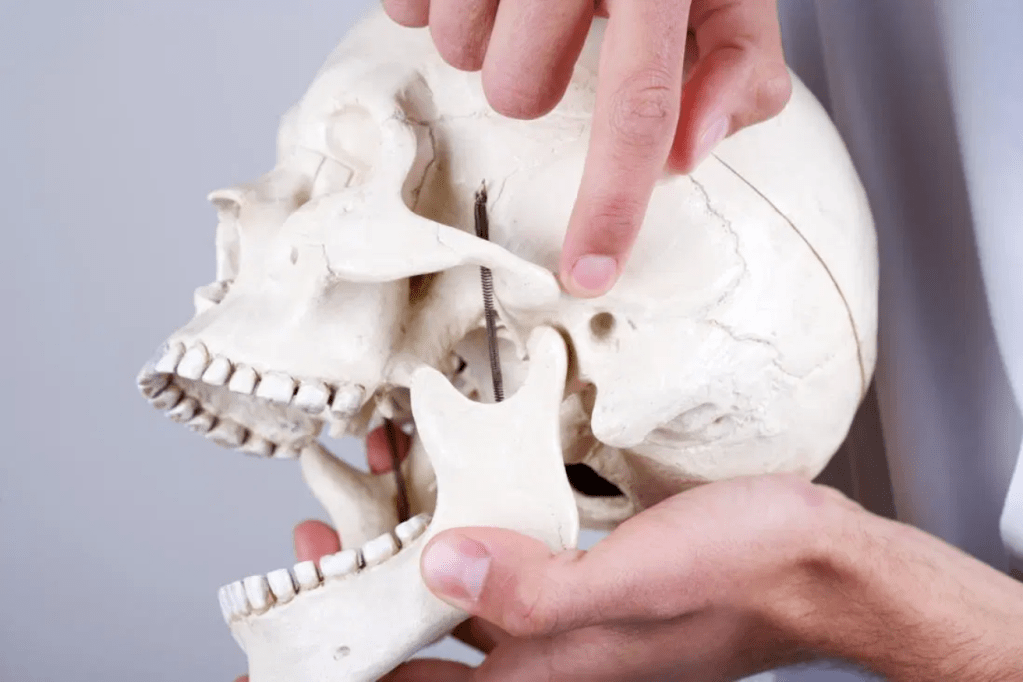
TMJ disorder refers to the lack of function in the ball and joint socket that forms a connection between the upper and lower jaw. The purpose of this joint is to support the movement of your lower jaw. Having this disorder may result in the clicking and popping sensation in the TMJ area. Severe cases of this disorder can result in the lower jaw getting stuck.
The common symptoms of TMJ disorder include tender jaw muscles and clicking sounds. Your dentist will diagnose the problem and suggest the solution to the pain in your jaw. The treatment usually aims at reducing tension in muscles. This treatment also solves the headache problem for good. Other ways to treat this condition include avoiding excess chewing and massaging your jaw.
Teeth grinding
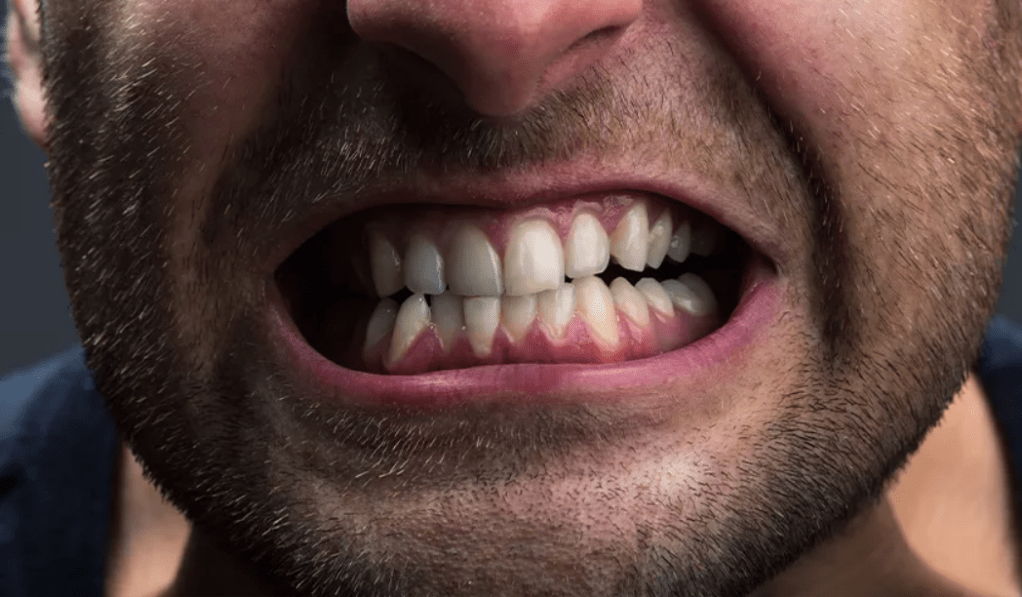
Teeth grinding, also known as bruxism, is a cause of concern for 30 to 40 million people in the US. Some people have this issue only at the night time when they sleep. Others have this issue during the day. The most common reasons for this problem include stress, teeth misalignment, and disorders in facial nerves. Symptoms of teeth grinding include grinding sounds, morning headaches, damaged teeth, and tightness in jaw muscles. If you have any of these problems, be sure to seek help from your dentist.
Teeth grinding can be fixed in many ways. Your dentist may choose to align your upper and lower jaw through orthodontic treatment or surgery. If misalignment is not the reason, the dentist may give you a mouth guard to wear at night.
If this problem is due to stress, you may consider referring to support groups or discussing your situation with your friends or family. Some relaxation techniques will also help you get rid of this problem. Once you stop grinding your teeth, the headache will also subside.
 Dental Stories